

About Me
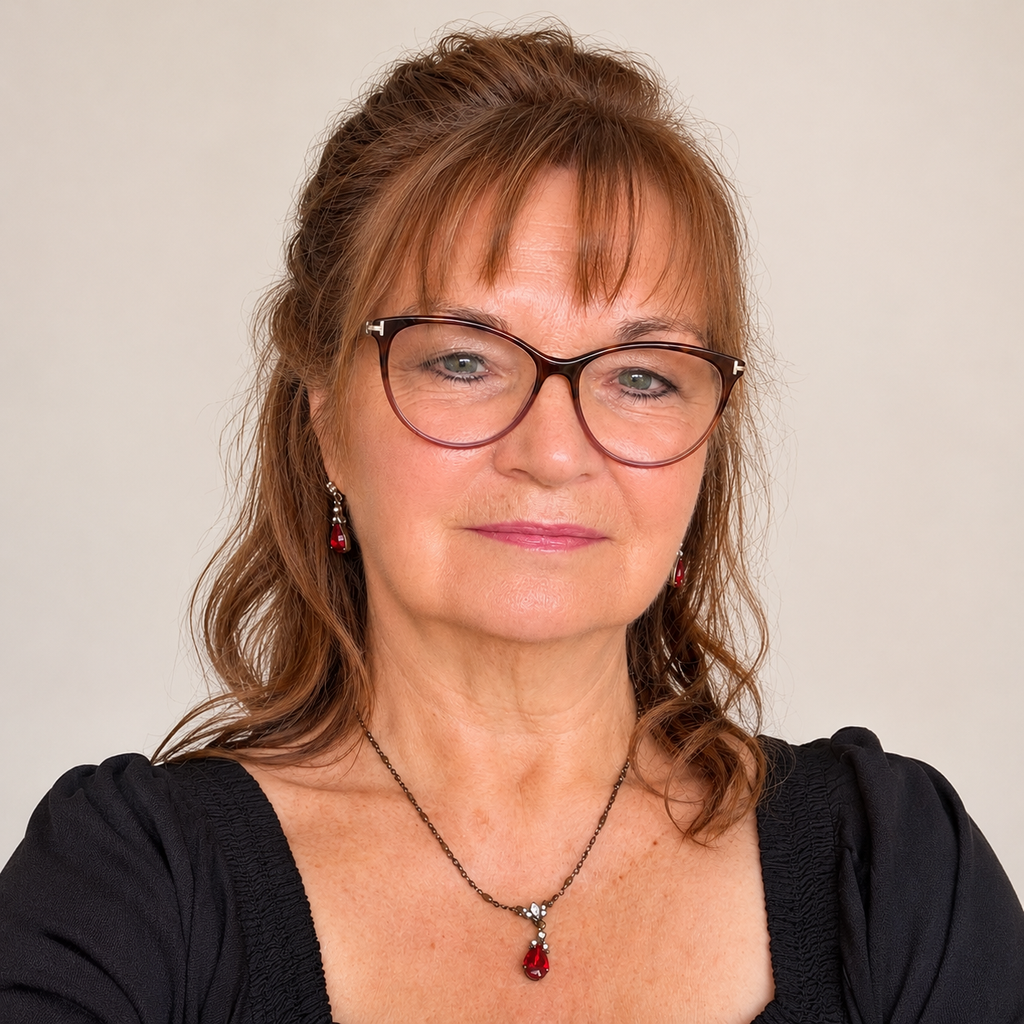
Hello, I’m Shirley
I’m a Clinical Supervisor, Dance Movement Psychotherapist and educator. I offer reflective clinical supervision for practitioners who want space to think about their work, explore their experiences and develop their professional practice.
My approach is grounded in an understanding of the relationship between mind, body and experience. I’m interested in how we make sense of our work not only through reflection and conversation, but also through embodied awareness, creativity and the ways we respond to the people we work with.
I work with practitioners from a range of professional backgrounds. You don’t need to be an arts therapist or have an interest in movement to work with me. What matters is a willingness to be curious about your practice and to explore it from different perspectives.
My approach to supervision
I see supervision as a collaborative relationship in which there is space to think, question, explore and sometimes sit with uncertainty. It isn’t about having someone else provide all the answers or tell you how to practise. Rather, it offers an opportunity to step back from the immediacy of your work and consider what might be happening, what you are noticing and what you might not yet have seen.
I bring my professional knowledge and experience to the supervisory relationship, while recognising that you are the person closest to your own practice. Together, we can explore the questions, challenges and experiences that matter to you. Supervision might involve thinking through a particular piece of work, exploring a relationship with a client or colleague, considering an ethical dilemma, or noticing how your own experiences and responses influence what happens in practice.
Sometimes the most useful thing is to slow down and look at something from a different angle. Sometimes it is about recognising a pattern, finding a new perspective or becoming more comfortable with not having an immediate answer.
An embodied and creative perspective
My background in Dance Movement Psychotherapy has shaped the way I understand people, relationships and professional practice.
We don’t leave our bodies outside when we come to work. Our experiences, emotions, assumptions and responses are part of how we engage with others. They can influence what we notice, what we find difficult, where we feel confident and where we become uncertain. An embodied approach to supervision makes room for this dimension of our experience. We might become curious about a physical response, a feeling that is difficult to articulate, an image or metaphor that captures something about a piece of work, or a sense that something is happening beneath the surface of a conversation.
Creativity can also offer different ways of exploring and understanding our experiences. This doesn’t mean that supervision needs to involve movement or creative activities. These are possibilities rather than requirements. The emphasis is on being open to different ways of thinking and making sense of our work.
For me, an embodied perspective isn’t an additional technique. It is part of how I understand the relationship between ourselves, our work and the people with whom we work.
Why this way of working matters to me
Throughout my work as a therapist, teacher and supervisor, I’ve been interested in the ways we understand experiences that are not always easy to put into words.
I’m particularly interested in the relationship between what we know intellectually and what we experience more implicitly. We can understand something in theory while finding it quite different to recognise or respond to it in practice. I think supervision offers an opportunity to explore that gap. It can help us notice our assumptions, recognise familiar patterns and become more aware of how our own experiences enter into our professional relationships. I’m also interested in the connections between different therapeutic and reflective approaches. Rather than seeing them as competing ways of understanding practice, I find value in exploring what each can contribute.
This curiosity continues to inform my work as a supervisor, as well as my wider professional and academic interests.
My professional background
I trained as a Dance Movement Psychotherapist, completing a Master’s degree in Dance Movement Psychotherapy, and I am registered with the Association for Dance Movement Psychotherapy UK.
My professional experience spans clinical practice, teaching, training and research. I have worked as an Associate Tutor at university level and as part of the training and supervision team for Arts for the Blues. I have also worked with practitioners and students in educational and professional development settings, supporting reflection on practice and the relationship between theory, experience and professional identity. Alongside my clinical and teaching experience, I have undertaken postgraduate training in clinical supervision. This has provided a foundation for developing my work as a supervisor and has deepened my interest in the supervisory relationship, reflective practice and the different ways people learn and develop.
These experiences give me a broad perspective on the demands of professional practice, while reminding me that each practitioner and each supervisory relationship is different.
Continuing to learn
I’m naturally curious about how people learn, change and develop, and about the ways different approaches can deepen our understanding of experience.
My continuing professional development includes embodied and somatic approaches, psychotherapy, supervision and the wider field of reflective practice. I remain interested in the relationship between theory and lived experience, and in how we can bring greater awareness and creativity to our professional lives.
I don’t see becoming a supervisor as arriving at a point where there is nothing more to learn. My own reflection and professional development remain an important part of how I work with others.
What you can expect from me
I aim to offer a supervisory relationship that is thoughtful, respectful and collaborative. I will listen carefully, ask questions and bring my own perspective, while remaining open to yours.
I won’t assume that I know what something means for you, or that there is one right way to approach a particular situation. I am comfortable exploring uncertainty and complexity, and I value the opportunity to look at familiar things differently. There will be space to think about the practical and professional aspects of your work, as well as the personal responses and experiences that may be influencing it.
My intention is to support you to develop a deeper understanding of your practice, strengthen your professional confidence and find ways of working that feel thoughtful, sustainable and congruent with your values.
Professional qualifications and registration
I hold a Master’s degree in Dance Movement Psychotherapy and am a registered member of the Association for Dance Movement Psychotherapy UK (ADMP UK).
I have also completed postgraduate training in Clinical Supervision, alongside further professional development in embodied and somatic approaches.
My wider professional experience includes university teaching, training, research and clinical practice.
Working online
I offer clinical supervision online, working with practitioners across the UK. Online supervision provides a private and accessible space to meet, without the need to travel. I use doxy.me for online sessions. Working online also means that we can develop a supervisory relationship regardless of where you are based.
If you’re considering supervision
Finding a supervisor is about more than meeting a professional requirement. It is about finding someone with whom you can think openly, explore uncertainty and feel able to bring the realities of your work. If my approach interests you, you’re welcome to get in touch. I offer an initial conversation so that we can meet, discuss what you’re looking for and consider whether working together might be a good fit.
You don’t need to have everything worked out before we speak. We can begin with what’s important to you.